ads

Monday, November 9, 2020

Virgin Hyperloop pod transport tests first passenger journey


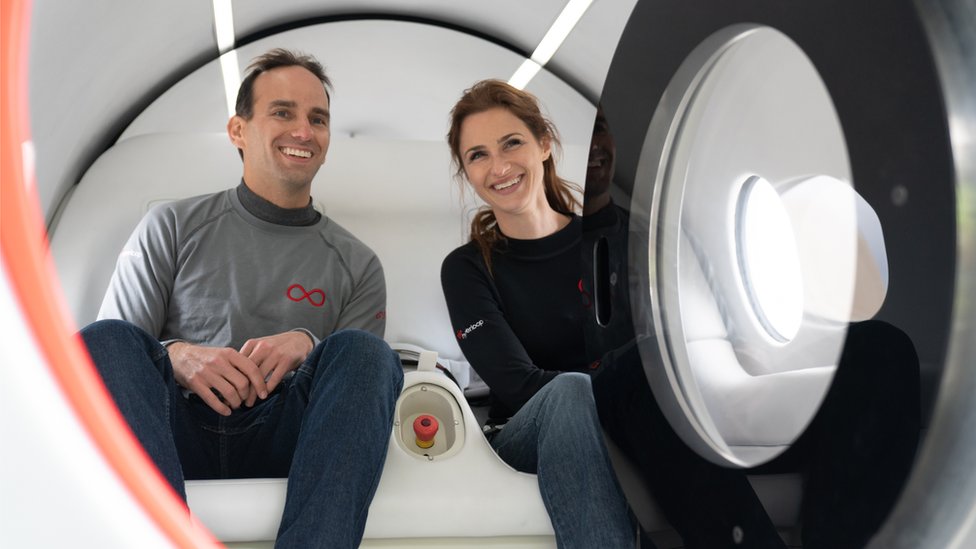
Sara Luchian and Josh Giegel inside their podIMAGE COPYRIGHTVIRGIN HYPERLOOP
image captionTrial passengers Sara Luchian and Josh Giegel - who both work at Virgin Hyperloop - inside their pod

Virgin Hyperloop has trialled its first ever journey with passengers, in the desert of Nevada.

The futuristic transport concept involves pods inside vacuum tubes carrying passengers at high speeds.

In the trial, two passengers - both company staff - travelled the length of a 500m test track in 15 seconds, reaching 107mph (172km/h).

However, this is a fraction of Virgin's ambitions for travel speeds of more than 1,000km/h.

Virgin Hyperloop is not the only firm developing the concept but nobody has carried passengers before.

Sara Luchian, director of customer experience, was one of the two on board and described the experience as "exhilarating both psychologically and physically" to the BBC shortly after the event.

She and chief technology officer Josh Giegel wore simple fleeces and jeans rather than flights suits for the event, which took place on Sunday afternoon outside of Las Vegas. Ms Luchian said the journey was smooth and "not at all like a rollercoaster" although the acceleration was "zippier" than it would be with a longer track. Neither of them felt sick, she added.

She said that their speed was hampered by the length of the track and acceleration required.
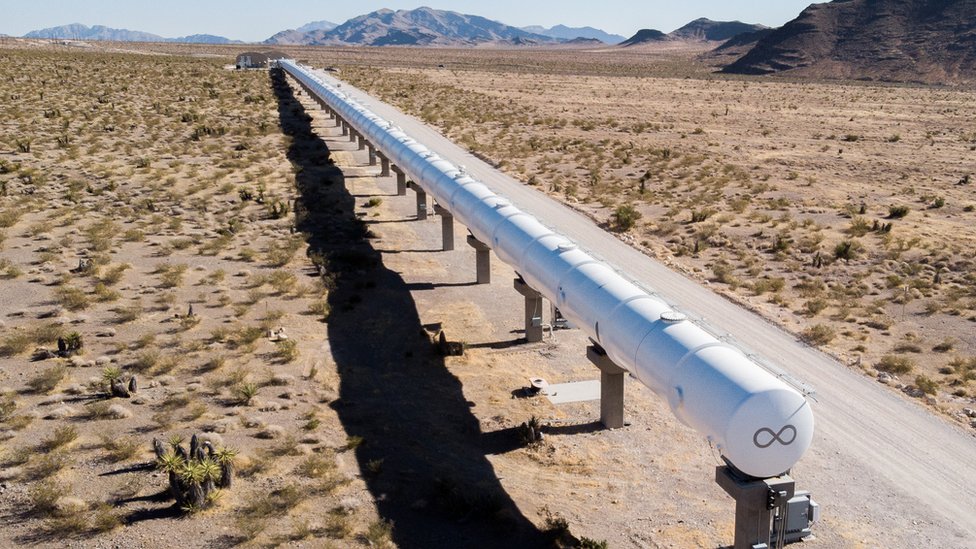
Virgin Hyperloop test track in NevadaIMAGE COPYRIGHTVIRGIN HYPERLOOP
image captionThe Virgin Hyperloop test track in the Nevada desert

The concept, which has spent years in development, builds on a proposal by Tesla founder Elon Musk. Some critics have described it as science fiction.

It is based on the world's fastest magnetic levitation (maglev) trains, then made faster by speeding along inside vacuum tubes.

The Maglev train speed world record was set in 2015 when a Japanese train reached 374mph in a test run near Mount Fuji.

Founded in 2014, Virgin Hyperloop received investment from the Virgin Group in 2017. It was previously known as Hyperloop One and Virgin Hyperloop One.

In a BBC interview in 2018, then Virgin Hyperloop One boss Rob Lloyd, who has since left the firm, said the speed would in theory enable people to travel between Gatwick and Heathrow airports, 45 miles apart on opposite sides of London, in four minutes.
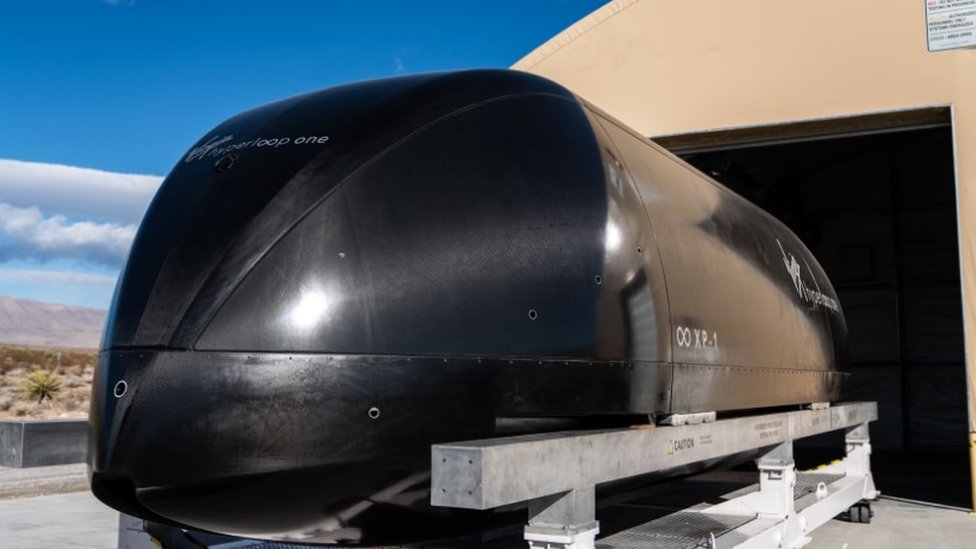
Virgin Hyperloop podIMAGE COPYRIGHTVIRGIN HYERLOOP
image captionVirgin says the pods could reach speeds of over 1,000km/h

Los Angeles-based Virgin Hyperloop is also exploring concepts in other countries, including a hypothetical 12 minute connection between Dubai and Abu Dhabi, which takes more than an hour by existing public transport.

Critics have pointed out that Hyperloop travel systems would involve the considerable undertaking of both getting planning permission and then constructing vast networks of tubes for every travel path.

Ms Luchian acknowledges the potential difficulties, saying: "Of course there's a lot of infrastructure to be built but I think we've mitigated a lot of risk that people didn't think was possible."

She added: "Infrastructure is such an important focus for so many people in government. We know people are looking for solutions. They're looking for the transportation of the future. We can keep building today's or yesterday's transport systems and keep encountering the same problems they bring or we can really look to build something that solves those problems."

Covid: Have we finally got a coronavirus vaccine?


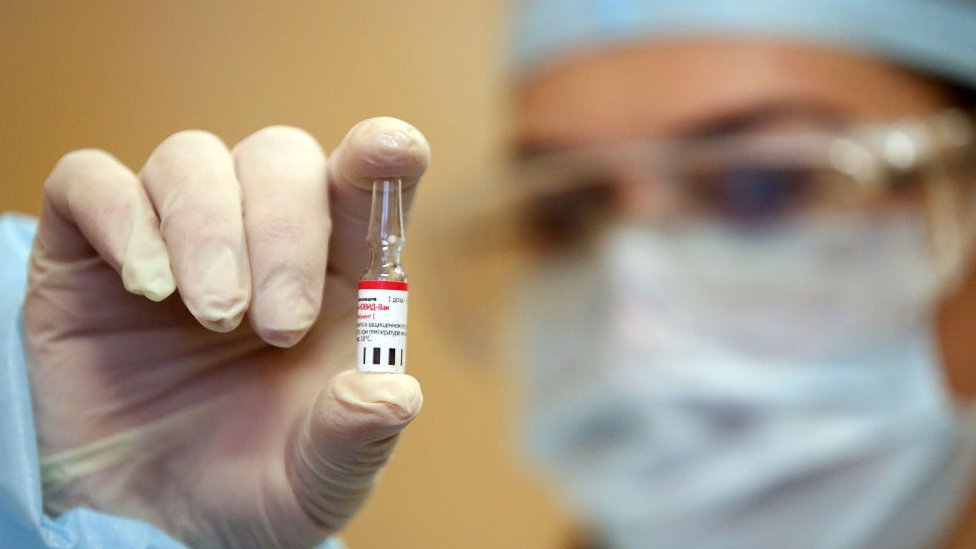
A person holding an ampouleIMAGE COPYRIGHTGETTY IMAGES

The quest for an effective vaccine against Covid-19 has seen a significant step forward, with the announcement of "milestone" results.

Preliminary findings show a vaccine developed by Pfizer and BioNTech can prevent more than 90% of people from getting Covid-19.

What have Pfizer/BioNTech achieved?

They are the first to share data from the final stages of testing - known as a phase 3 trial.

This is a crucial point in vaccine development, where some experimental vaccines will fail.

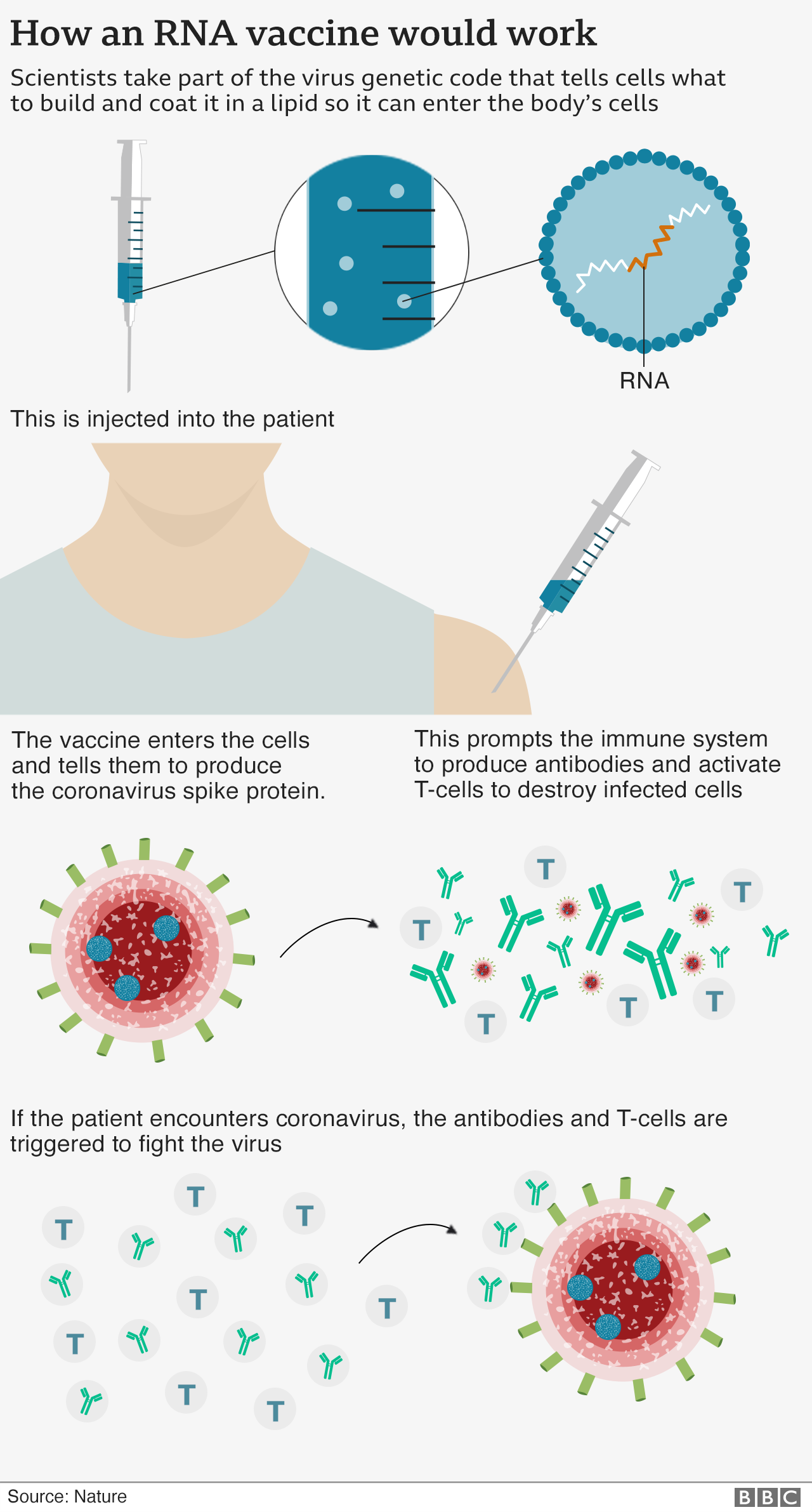
The vaccine uses a completely experimental approach, which involves injecting part of the virus's genetic code into people, in order to train the immune system.

About 43,000 people have been given the vaccine, and no safety concerns have been raised.

BBC graphic

So when will the vaccine become available?

Pfizer believes it will be able to supply 50 million doses by the end of this year, and around 1.3 billion by the end of 2021.

The UK should get 10 million doses by the end of 2020, with a further 30 million doses already ordered.

Exactly who will be immunised first will depend on where Covid is spreading when the vaccine becomes available and in which groups it is most effective.

The UK has not decided, for example, how to prioritise health and care workers who work with the most vulnerable people, relative to those most at risk if they catch the disease.

In broad terms, the over-80s, care home residents and health or care workers will be near the top of the list.

Age is, by far, the biggest risk factor for Covid, so the older you are, the sooner you are likely to be vaccinated.

Most experts think the vaccine will not be widely available until the middle of 2021.

'Mutant coronavirus' seen before on mink farms, say scientists


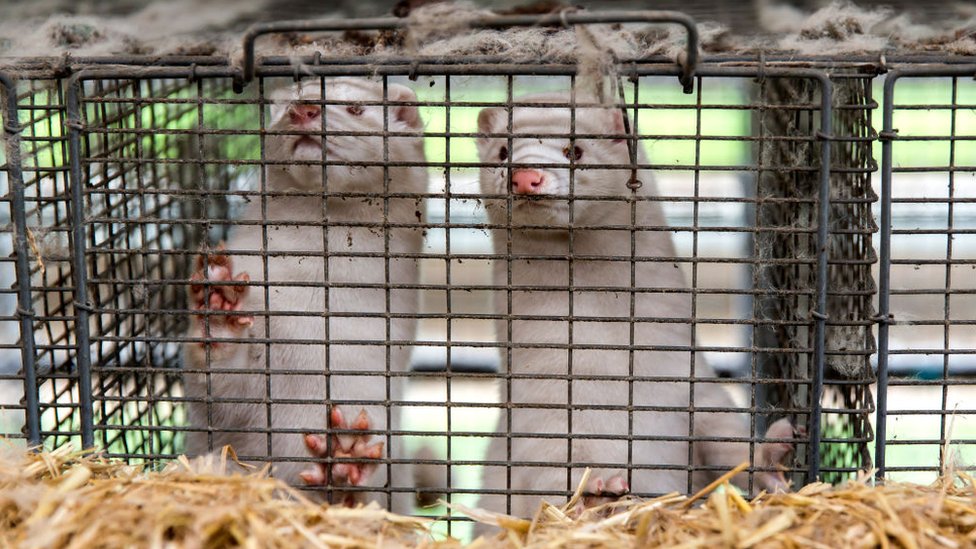
Mink at a farm in DenmarkIMAGE COPYRIGHTGETTY IMAGES
image captionMink are kept in crowded conditions, ideal for spreading a virus

A mutant form of coronavirus found in Danish mink has arisen before, scientists have revealed.

The mutated virus, which appears to have spread from animals to humans in Denmark, has been detected retrospectively at a mink farm in the Netherlands, according to a leading Dutch expert.

The mink were culled and the mutation did not infect humans there, he said.

Six countries have reported coronavirus outbreaks at mink farms.

They include the Netherlands, Denmark, Spain, Sweden, Italy and the US.

Mink are known to be susceptible to Sars-CoV-2, the virus that causes Covid-19, which can spread rapidly from animal to animal in mink farms.

Animals have become infected by farm workers during the pandemic, and have occasionally passed the virus on to humans, raising the risk of the virus acquiring mutations.

Danish scientists are worried that genetic changes in a mink-related form of the virus, infecting a dozen people, has the potential to make future vaccines less effective.

The genetic change is in the spike protein of the virus, which is important in the body's immune response, and a key target for vaccines.

The Danish genome sequences were recently released on a public database, allowing scientists in other countries to look for evidence of the mutation.

Prof Wim van der Poel, a veterinary expert at Wageningen University, said analysis of genetic data from the Netherlands revealed one previous case of the mutation at a mink farm there.

He told BBC News: "We have once seen a mutant virus with a comparable mutation in the spike protein encoding region, in mink in the Netherlands, but this mutant did not spread to humans and the mink of the involved farm were culled."

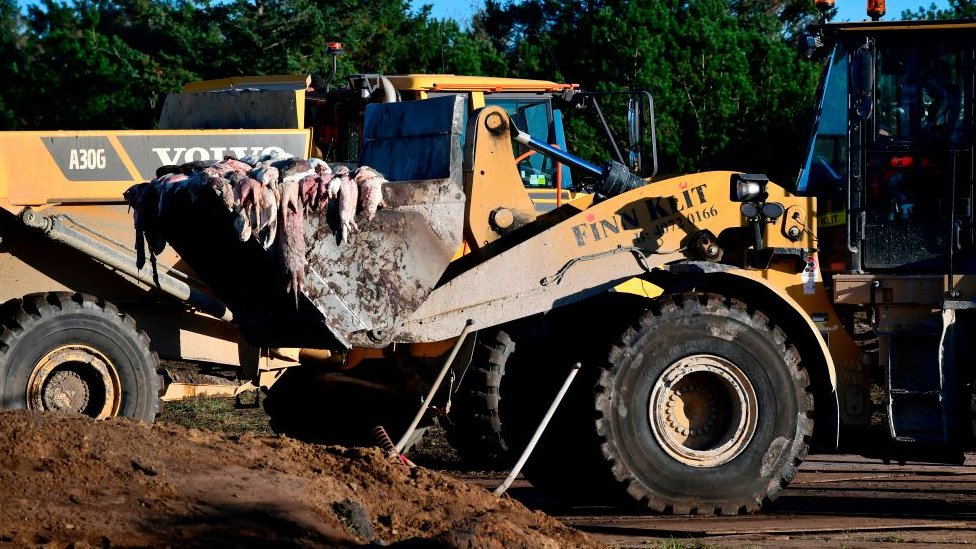
Mink culling, DenmarkIMAGE COPYRIGHTGETTY IMAGES
image captionThe Danish government has ordered all mink to be killed

The Netherlands launched a widespread cull of mink after signs, in a small number of cases, that humans had picked up coronavirus from mink.

The genetic data from Denmark was released on an international database a few days ago, with some scientists questioning why it had not been released sooner.

"I think that it is most disappointing that the data have only just reached the light of day," said Prof James Wood, head of the department of veterinary medicine at the University of Cambridge in the UK.

He said the genetic changes needed careful evaluation, as reports from Denmark suggested an effect on immunity. "This may be what triggered the enhanced quarantine measures for travellers from Denmark. But far more careful evaluation is urgently needed."

Mink farming required "enhanced biosecurity (or suspension) at this time", he added.

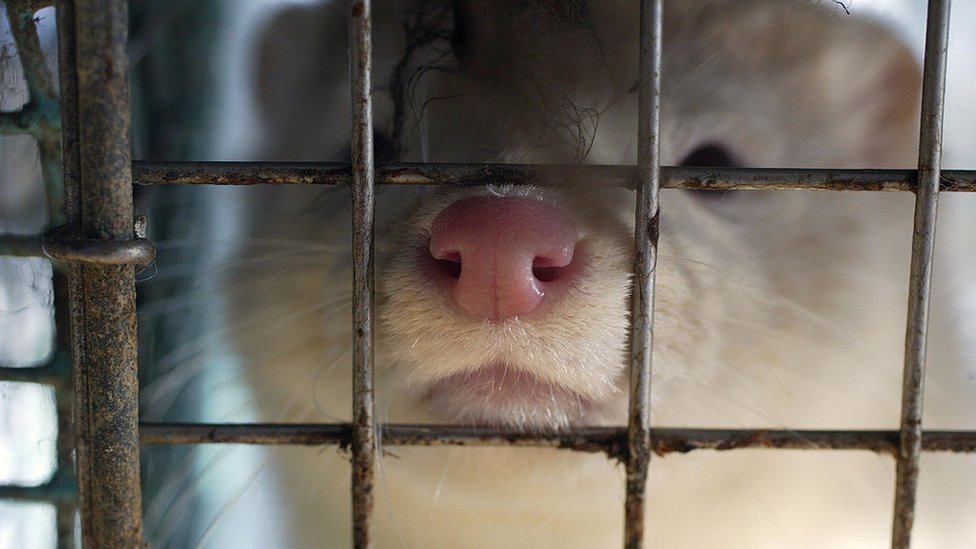
MinkIMAGE COPYRIGHTGETTY IMAGES
image captionMink, like their relatives, ferrets, are susceptible to respiratory viruses

It is normal for viruses to change over time and accumulate mutations, but experts are particularly concerned when viruses pass between humans and animals.

A number of animals have caught the virus from humans, but mink appear particularly susceptible.

Prof Dirk Pfeiffer, of the Royal Veterinary College in London, said while mutations in viruses happen all the time as they spread, the question is whether these change the characteristics of the virus.

"At this stage, it seems to be that there may be issues with vaccine effectiveness, but this is still unclear," he said.

Effective surveillance is needed to detect emergence of new pathogens early, and then have an effective way of responding, he added.

The European Centre for Disease Prevention and Control, an agency of the European Union, has said it will publish risk assessments on the spread of Sars-CoV-2 in mink farms this week.

It remains to be seen if the Danish mutation in the Sars-CoV-2 virus will be detected in mink farms in other countries. The outbreak of this mutated variant has become known as "cluster 5".

In Sweden, there have been outbreaks at mink farms in the south-east part of the country. Scientists reported that the genetic mutation found in Danish mink had not been detected so far.

US election: Champ, Major and other White House pets


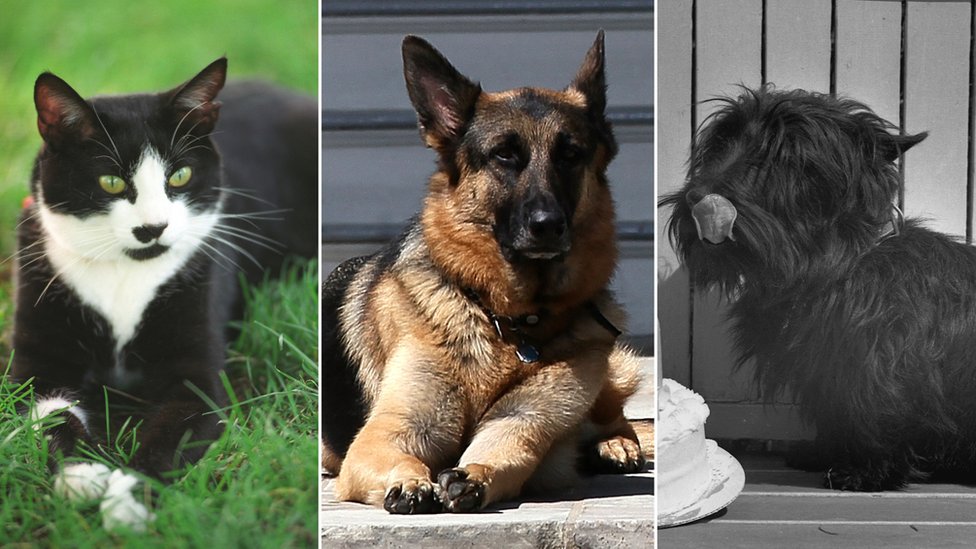
Bill Clinton's cat Socks, Joe Biden's dog Champ, and Franklin D Roosevelt's dog FalaIMAGE COPYRIGHTGETTY IMAGES

A Joe Biden presidency means the return of a long-held tradition of pets in the White House.

Donald Trump was the first US president in more than 100 years not to have a pet.

Democrat Mr Biden is set to bring his two German Shepherds - Champ and Major - with him to the sprawling residence after the inauguration in January.

The dogs have a big fan base on social media. A Twitter page in their name has tens of thousands of followers.

Here's a look at what we know about the new "First Dogs", and their predecessors.

Champ and Major

Mr Biden got Champ as a puppy after being elected vice-president in 2008.

His wife, Jill, promised him the post-election pet, and posted pictures of different dogs on the back of the seat in front of him on his campaign plane, according to Politico.

The name, chosen by Mr Biden's grandchildren, had sentimental significance.

In campaign speeches for the 2008 election, he recalled how his father would tell him: "Any time you get knocked down, champ, get up!"

Major was fostered and then adopted in 2018 from the Delaware Humane Association.

Presentational white space

In an Instagram post during the campaign, Mr Biden shared a video of Major with the caption: "No ruff days on the trail when I have some Major motivation."

Bo and Sunny

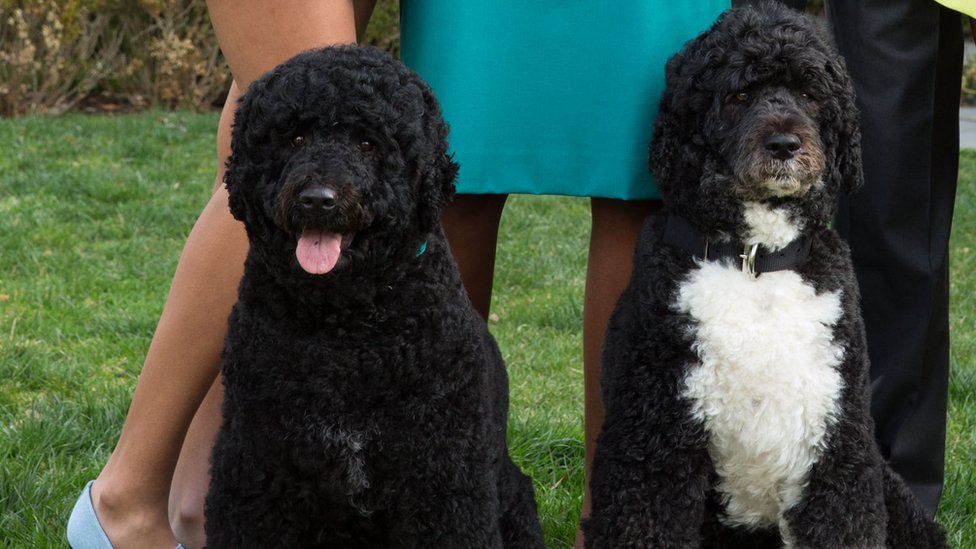
Portuguese Water Dogs Bo and Sunny were residents of the White House during Barack Obama's presidency.

When he declared victory, Mr Obama told his daughters: "You have earned the new puppy that's coming with us to the White House."

Bo was given as a gift to the Obama children from Senator Ted Kennedy in 2009, while Sunny came along in August 2013.

Bo, who has a white chest and front paws, and the all-black Sunny proved popular, even helping with official duties.

Sunny and BoIMAGE COPYRIGHTTHE WHITE HOUSE

"Everybody wants to see them and take pictures," Michelle Obama said during her husband's presidency.

"I get a memo at the beginning of the month with a request for their schedules, and I have to approve their appearances."

Buddy and Socks

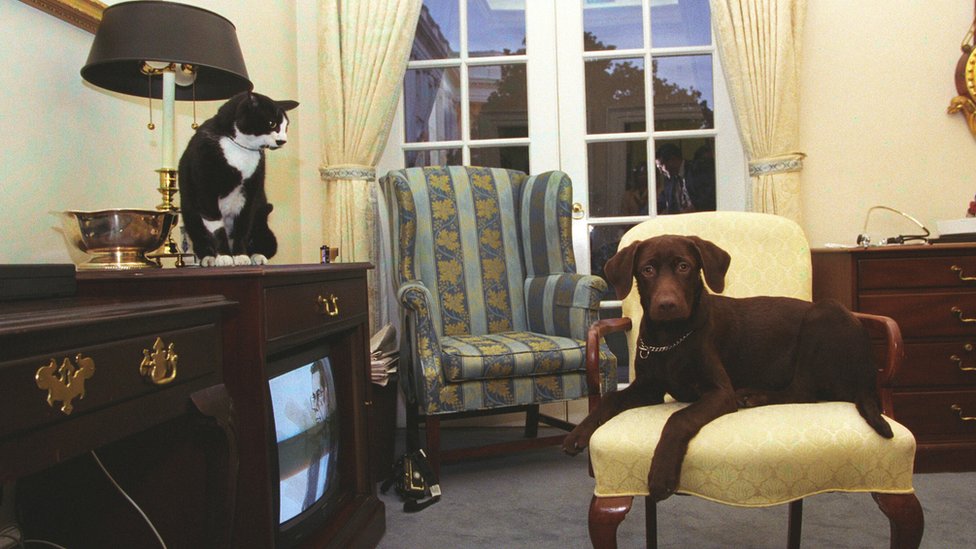
Bill Clinton had a chocolate Labrador called Buddy during his time as president, as well as a cat named Socks.

The pair often fought and the New York Times jokingly called them nemeses.

Socks the Cat, with black fur, white face, and amber eyes, sits on top of a television cabinet looking down at Buddy the dog in 1998IMAGE COPYRIGHTGETTY IMAGES

Mr Clinton told reporters in 2000 that Buddy would sometimes sleep next to him when his wife was away.

"He's my true friend," he said.

Hillary Clinton even wrote a book about the two pets, called Dear Socks, Dear Buddy, which includes letters from children and details about their rivalry and habits.

Miss Beazley and Barney

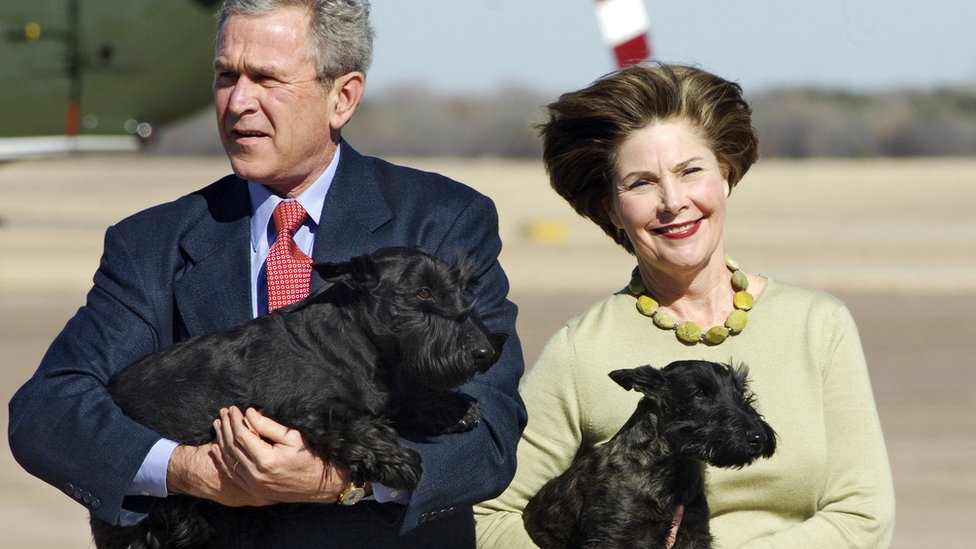
Among his pets, George W Bush had two Scottish Terriers called Miss Beazley and Barney while he was president.

US President George W. Bush carries his dog Barney as Fist Lady Laura Bush holds Miss Beazley in 2005IMAGE COPYRIGHTGETTY IMAGES

The dogs featured in videos released by the White House such as "A Very Beazley Christmas" and "Barney Cam".

Mr Bush has described Miss Beazley as "a source of joy", and said he and Barney shared a love for the outdoors.

Yuki

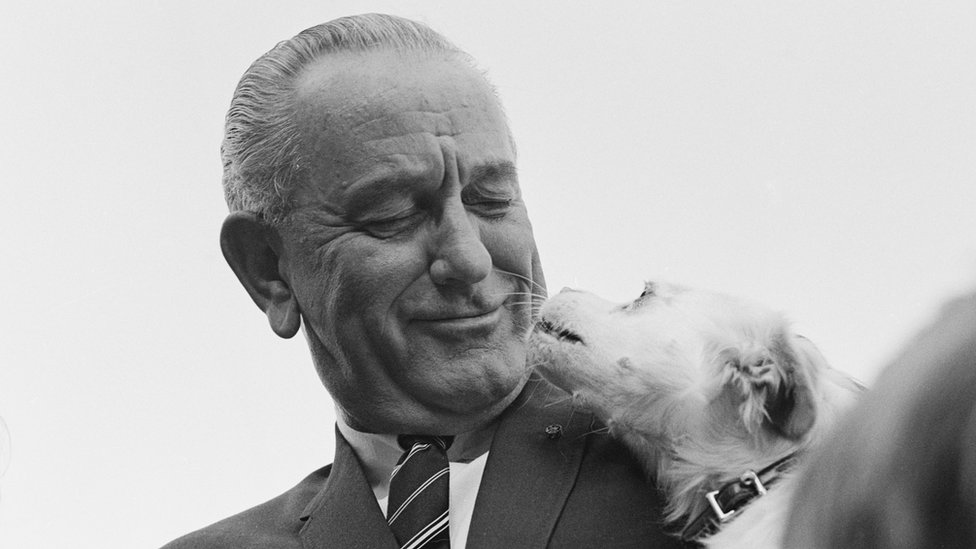
President Lyndon B Johnson's favourite dog was a terrier mix named Yuki.

Mr Johnson's daughter, Luci, found Yuki at a petrol station in his home state of Texas on Thanksgiving Day in 1966, according to the Presidential Pet Museum website, which compiles information on the White House pets.

US President Lyndon B Johnson introduces his pet dog Yuki at a Country Fair on the South Lawn of the White House, Washington, DC, September 1967.IMAGE COPYRIGHTGETTY IMAGES

Luci gave the dog to Mr Johnson as a birthday present the following year.

The pair did everything from attending cabinet meetings to swimming together.

"They shared a very significant bond that personified the American spirit: Only in America could a poor boy from Johnson City end up in the White House," his grandson once said.

Fala

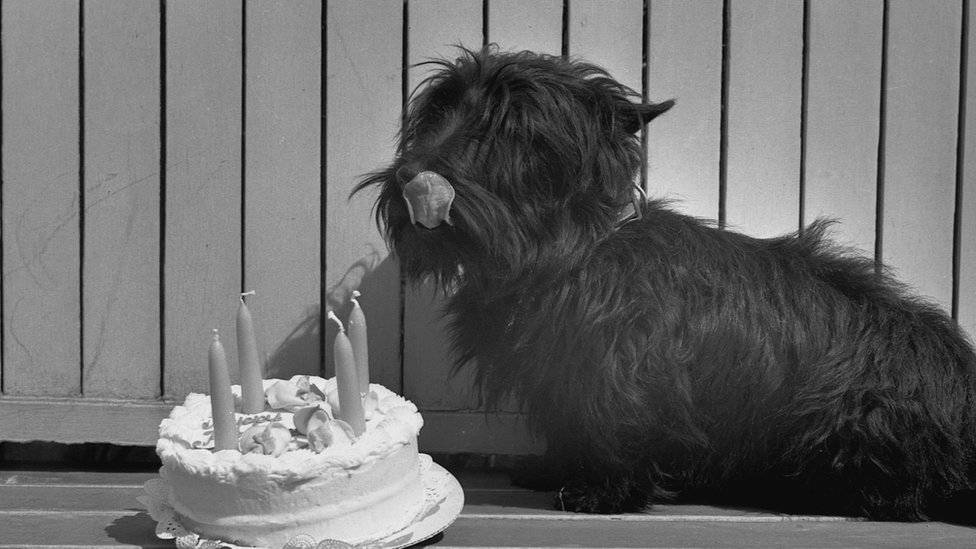
Among the most famous White House dogs is Franklin D Roosevelt's beloved Scottish Terrier Fala.

Fala was given to Mr Roosevelt by his cousin in 1940, and the president named him Murray the Outlaw of Falahill, after a Scottish ancestor.

According to the Presidential Pet Museum, Fala had a bone brought up on the president's breakfast tray every morning, and even needed a secretary appointed to him to answer his mail.

The president had the cake pictured below made especially for Fala's birthday.

White House terrier Fala, 4, licks his chops as he stands over his birthday cake on April 7, 1944.IMAGE COPYRIGHTGETTY IMAGES

In a highly publicised campaign in 1942, Fala donated toys to promote scrap rubber collections for the war effort.

Films have been made about Fala, and the dog is even memorialised in a statue next to one of Mr Roosevelt at the Franklin Delano Roosevelt Memorial in Washington DC.

Macaroni

It's not just cats and dogs who have held the esteemed title of "first pet". There have also been birds, hamsters and even ponies.

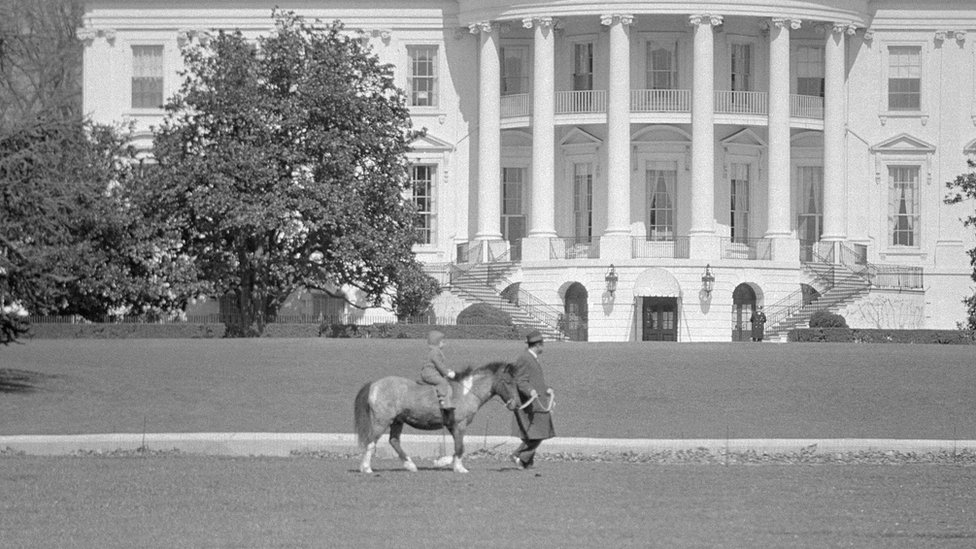
Macaroni was a gift to John F Kennedy's daughter Caroline from Lyndon B Johnson.

With a Secret Service man leading the way, Caroline Kennedy, the President's daughter, takes a ride on her pony, Macaroni, in 1962IMAGE COPYRIGHTGETTY IMAGES

The pony was usually stabled in Virginia but came frequently to the White House, where it was pictured roaming around the grounds.

According to the Presidential Pet Museum, when Jackie Kennedy was giving a tour to the empress of Iran, Macaroni nuzzled Queen Farah in an apparent attempt to eat the daffodils she was carrying.

Like other presidential pets, Macaroni became famous, receiving fan mail and even appearing on the cover of Life magazine.

RAF Lossiemouth jets scrambled to Russian aircraft

  RAF jets were scrambled to intercept four Russian military aircraft to the north of Scotland. Typhoons from RAF Lossiemouth in Moray and a...